
What Is an SEO Automation Platform?
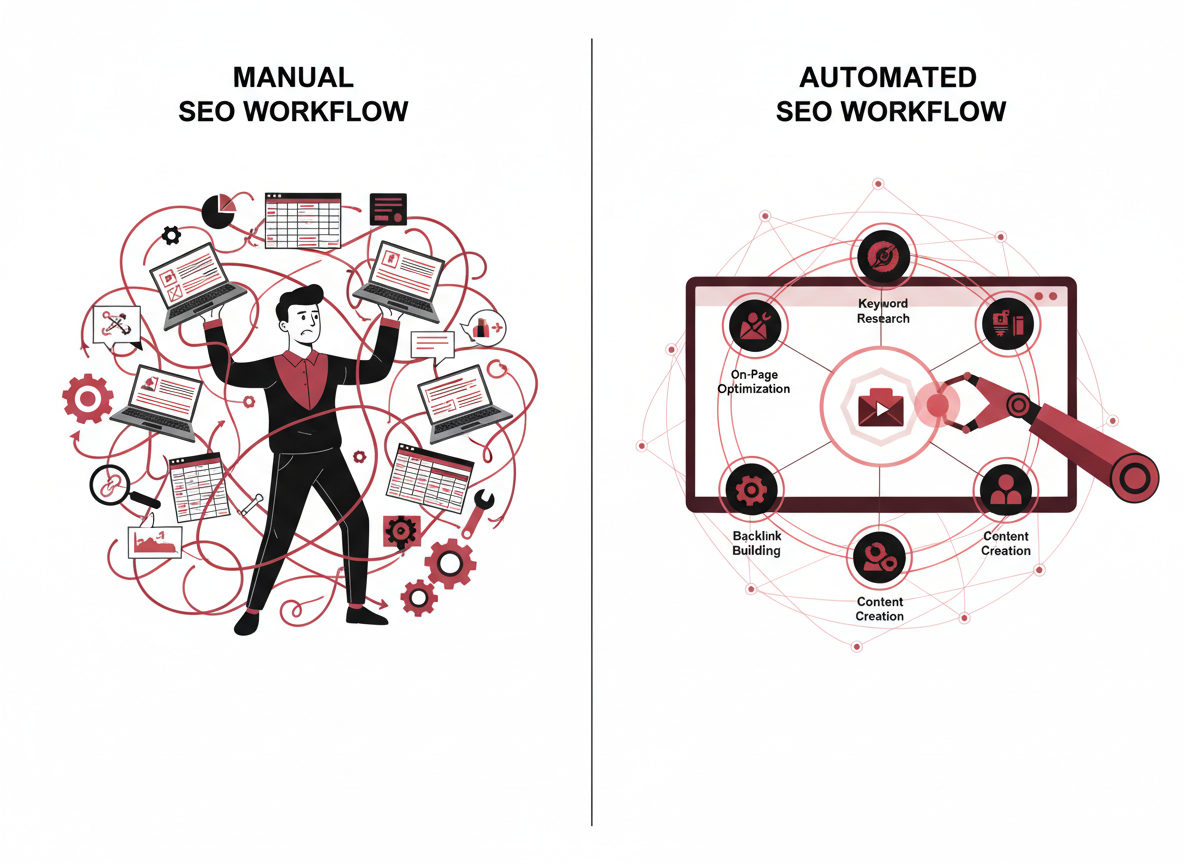
An SEO automation platform handles the repetitive tasks that typically eat up hours of your week—keyword research, content creation, publishing, and performance tracking. Instead of manually writing blog posts or hunting for keywords, these systems run on autopilot, generating and publishing optimized content while you focus on running your business.
The shift from manual SEO makes sense when you're juggling customer calls, operations, and marketing. Business owners and marketing managers are adopting automation because they need organic traffic without hiring a full content team. A plumbing company, for example, can't spend eight hours a week writing service pages and blog posts.
The time-savings translate directly to ROI. What used to take 15-20 hours monthly now runs in the background. You'll find features">automated SEO features that handle everything from finding the right keywords to tracking which content brings in leads.
Key Features of Modern SEO Automation Platforms
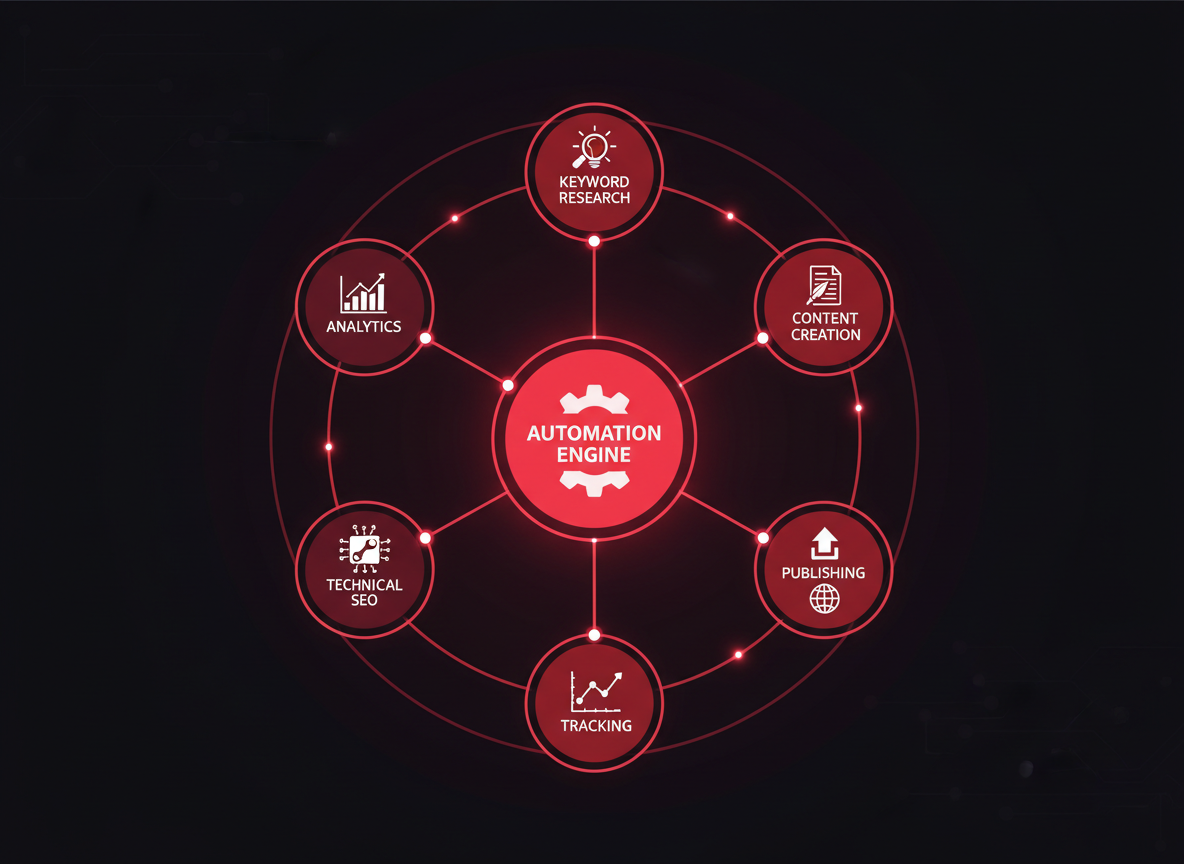
The best SEO automation platforms handle the heavy lifting across your entire organic strategy. Look for automated keyword research that spots opportunities your competitors haven't touched yet, paired with AI-powered content creation that actually sounds human. You'll want automated publishing that pushes content to your WordPress site on schedule, plus rank tracking that monitors your progress without manual check-ins. Technical SEO automation—think site audits, schema markup, and redirect management—saves hours of tedious work. Workflow builders let you connect everything without writing code, and robust integrations with Google Analytics, Search Console, and other SEO tools keep your data flowing smoothly. The right platform turns what used to take weeks into a streamlined system that runs while you focus on your business.
SEO Automation vs. Traditional Manual SEO: Time and Cost Analysis
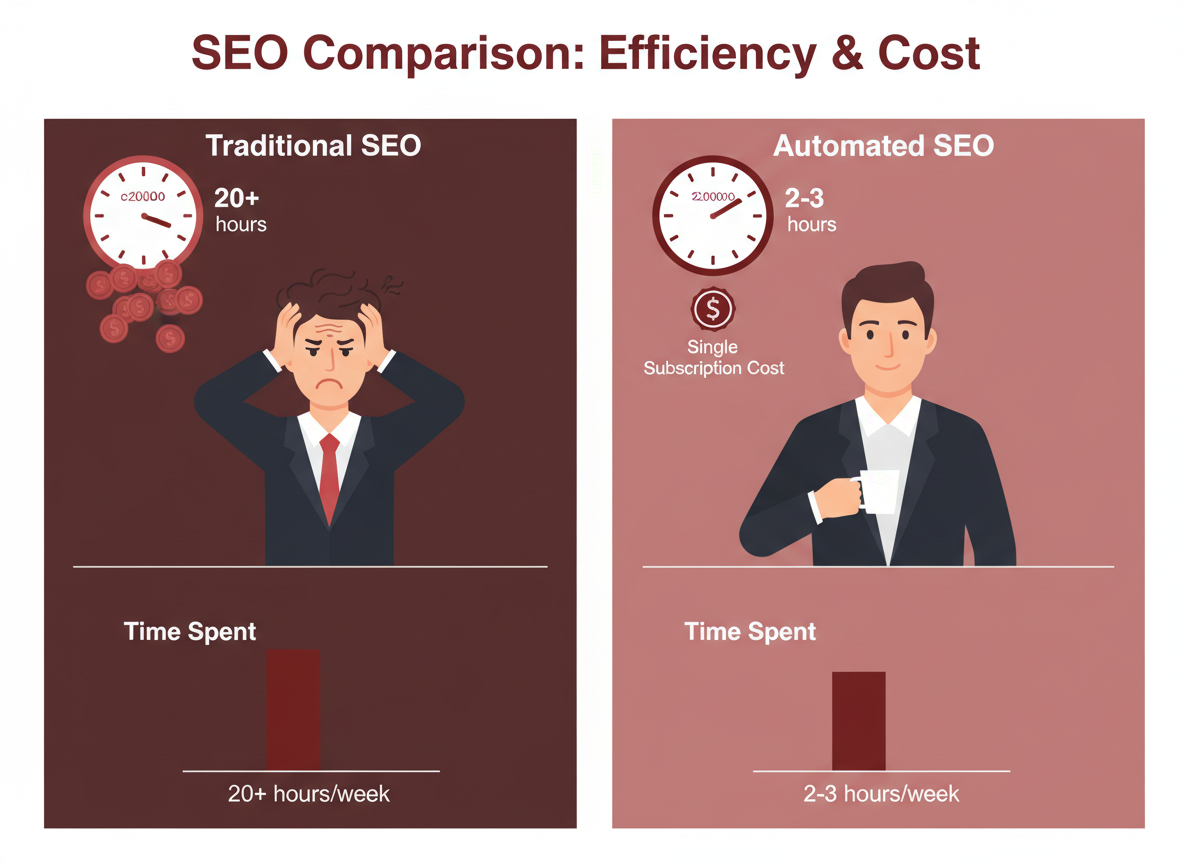
The math here tells a pretty clear story. Manual SEO typically demands 20+ hours weekly—researching keywords, writing content, updating meta tags, monitoring rankings, building backlinks. That's half a full-time position. An SEO automation platform cuts this to 2-3 hours of strategic oversight per week.
From a cost perspective, hiring an in-house SEO specialist runs $50,000-$75,000 annually, while freelancers charge $75-$150 per hour. Platform subscriptions start around $100-$300 monthly (check current pricing tiers for exact numbers). Even at premium levels, you're looking at $3,600 yearly versus five-figure staffing costs.
But there's a balance. Automation handles repetitive tasks brilliantly—content generation, technical audits, rank tracking, schema markup. You maintain control through approval workflows and can tweak outputs. For small-to-medium businesses, ROI typically hits within 3-4 months as organic traffic builds.
That said, manual work still matters for strategy development, brand voice refinement, and complex competitive analysis. The sweet spot? Let automation handle the heavy lifting while you focus on direction and relationships. If you're spending under 10 hours monthly on SEO, stick with manual. Beyond that, automation stops being optional and becomes essential.
Who Benefits Most from SEO Automation Platforms?
SEO automation platforms work best for businesses that need results but don't have dedicated marketing teams. Small-to-medium business owners—think plumbers, HVAC technicians, lawyers, and medical practices—can finally compete for top rankings without hiring agencies. Marketing managers juggling ten different tasks get their time back. Entrepreneurs scaling their online presence appreciate the consistent content flow without the manual grind. If you're running a WordPress site and want fresh content published automatically, you'll see the biggest impact. Our mission has always been helping SMBs grow organically without the usual complexity or costs.
How to Choose the Right SEO Automation Platform
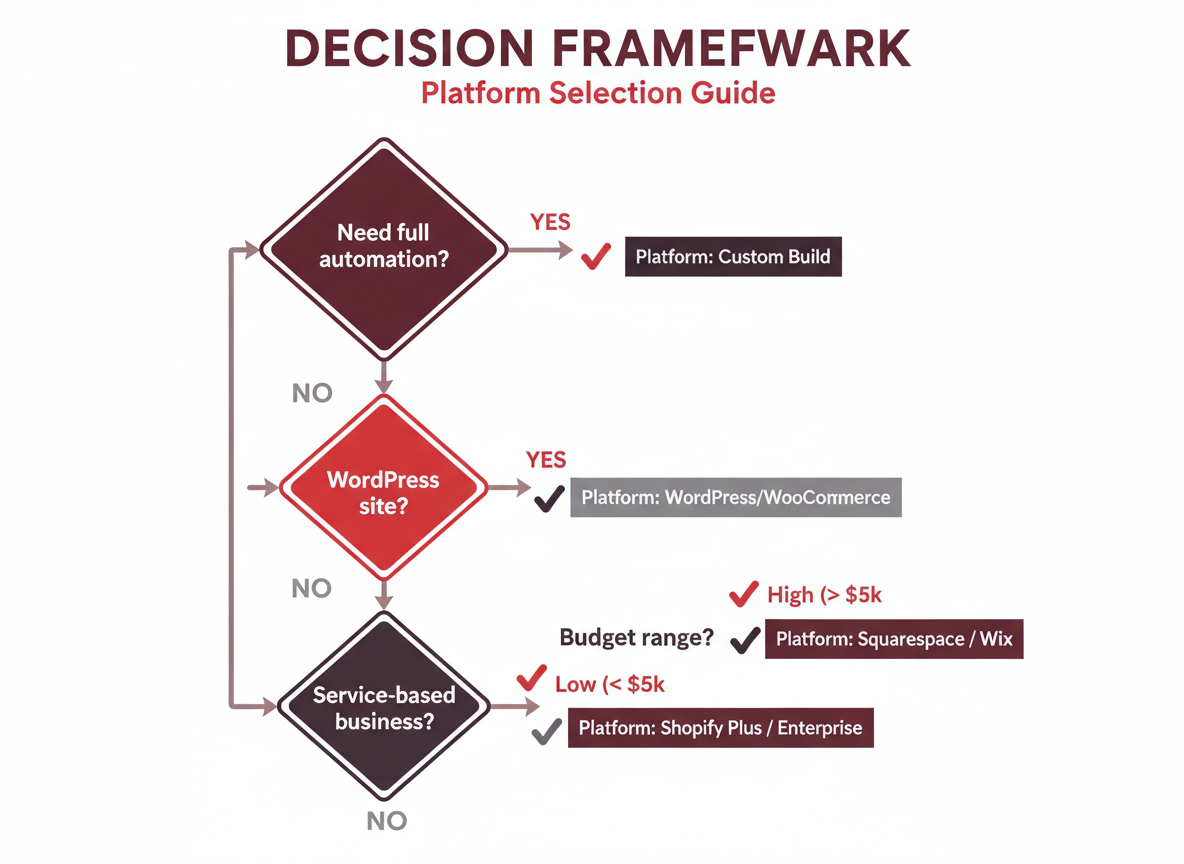
Selecting the right SEO automation platform starts with understanding how much control you want. Some platforms offer partial automation where you review everything, while others work on complete autopilot. Think about your time constraints and comfort level with AI-generated content.
Integration matters more than most people realize. Your platform should connect seamlessly with WordPress, Google Analytics, Search Console, and whatever tools you're already using. Fighting with disconnected systems wastes the exact time you're trying to save.
Content quality separates good platforms from mediocre ones. Look for AI that doesn't sound robotic—content should read naturally and align with your brand voice. Customization options let you adjust tone, style, and structure without starting from scratch.
Pay attention to competitor analysis features. The best platforms identify keyword gaps and show you what's working for similar businesses in your space. This intelligence drives smarter content decisions.
Pricing structures vary wildly. Some charge per article, others offer monthly tiers. Consider your growth plans—you don't want to outgrow your platform in six months. Scalability isn't just about volume; it's about features expanding with your needs.
Support and documentation make the difference when you're stuck. Check if there's responsive customer service and whether comprehensive documentation exists. You'll reference it more than you think, especially during setup.
Test workflow flexibility before committing. Can you pause campaigns? Adjust publishing schedules? Override specific articles? Control settings should match your management style.
Finally, examine publishing frequency options and content calendar capabilities. Your platform should accommodate both aggressive and conservative content strategies without forcing you into a rigid schedule.
Common SEO Automation Mistakes to Avoid
Even the best SEO automation platform can't save you from strategy mistakes. Over-automating without human oversight is the biggest trap—you'll end up publishing generic content that sounds robotic. Always customize your brand voice settings and review a sample before committing to bulk publishing. Another common error? Setting up daily posts when you don't have the capacity to monitor performance or respond to engagement. Your automation should match your actual workflow, not an idealized version of it.
Don't forget to update your automation rules as search algorithms evolve. What worked six months ago might not perform today. Track your automated content's performance metrics religiously—if something's not resonating, adjust quickly. And here's one many businesses miss: failing to analyze competitor keywords for new opportunities. If you're stuck, get expert guidance to fine-tune your automation strategy and avoid these pitfalls entirely.
The Future of SEO Automation: What to Expect
The SEO automation platform market's about to get interesting. Small businesses are finally getting access to tools that were once reserved for enterprise teams, leveling the playing field completely. AI's getting smarter at understanding your brand voice and creating content that actually resonates with readers. We're seeing deeper connections between SEO tools and everyday business software—think your CRM, scheduling apps, and analytics dashboards working together seamlessly. The trend's moving toward complete automation that requires minimal oversight. Check out Vulcaro's roadmap to see what's coming next, and start exploring automation platforms now to stay ahead.
Frequently Asked Questions
How much does an SEO automation platform cost?
Pricing varies widely, from $50/month for basic tools to $500+ for enterprise solutions. Most platforms offer tiered plans based on content volume and features. Expect to pay around $150-300 monthly for a solid mid-tier platform handling 20-30 posts per month.
Can SEO automation platforms really work without manual input?
Yes, but with limits. Modern platforms handle keyword research, content creation, and publishing autonomously. However, you'll get better results if you occasionally review output and provide brand-specific guidance. Think of it as 90% hands-off rather than 100%.
How long does it take to see results from automated SEO?
Typically 3-6 months for meaningful traffic increases. New domains need longer—sometimes 6-12 months. The timeline matches traditional SEO because Google's ranking process hasn't changed, just your content production efficiency.
Will automated content rank as well as manually written content?
When done right, absolutely. Top-tier platforms produce content that meets Google's quality standards. The key difference isn't quality—it's consistency. Automated systems publish regularly, which compounds SEO gains faster than sporadic manual posting.
What's the difference between autopilot mode and semi-automated workflows?
Autopilot handles everything—topic selection, writing, optimization, and publishing—without your involvement. Semi-automated workflows require approval checkpoints where you review content before it goes live. It's control versus convenience.
Do I need technical knowledge to use an SEO automation platform?
Not anymore. Modern platforms feature user-friendly dashboards that hide complexity. You won't need coding skills or deep SEO expertise. If you can use basic software, you're set. For more insights on maximizing automation, read more SEO automation insights on our blog.