

Introduction: The Reality of Getting SEO Clients in 2026
Landing SEO clients isn't what it used to be. The days of cold-calling businesses and pitching generic "we'll get you to page one" promises are long gone. Today's potential clients are savvier, more skeptical, and frankly, they've heard it all before.
Here's what's changed: the competition has exploded. There are more SEO agencies, freelancers, and consultants than ever before. But here's the good news – this same digital evolution has created better opportunities if you know how to leverage them.
The winners in 2026 aren't the ones sending hundreds of manual cold emails. They're building strategic systems that attract and convert clients while they focus on delivering results. Think automated outreach sequences, AI-powered prospecting, and SEO automation platforms that handle the heavy lifting. It's about working smarter, not harder.
This guide walks you through 12 proven strategies that actually work in today's market. You'll learn how to position yourself, where to find qualified prospects, and how to build acquisition systems that run on autopilot. We'll cover everything from leveraging your existing network to scaling with strategic automation.
Let's set realistic expectations: landing your first 5-10 clients typically takes 2-4 months of consistent effort. You won't see results overnight, but you also won't waste years spinning your wheels. These strategies work because they're built on what's actually converting right now – not outdated tactics from 2020.
Ready to build a client acquisition system that delivers? Let's start with strategy number one.
Understanding Your Ideal SEO Client Profile
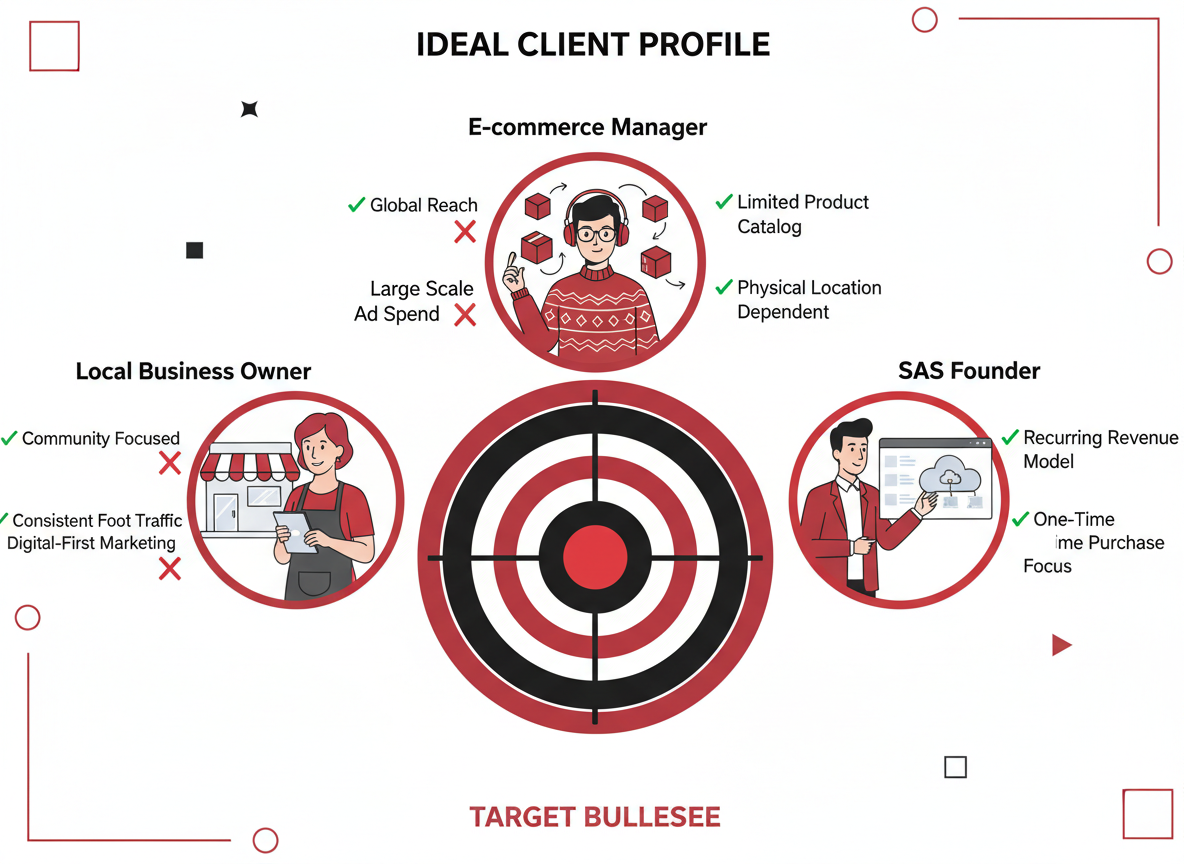
Before you chase every lead that comes your way, you need to know exactly who you're hunting for. The difference between struggling to close deals and having clients seek you out? Clarity about your ideal client.
Start by mapping out your perfect client avatar. What industries do they operate in? Are they generating $500K annually or $5M? What keeps them up at night—maybe they're invisible in local search, or their e-commerce site hemorrhages money on paid ads because organic traffic dried up. Get specific here. The more detailed your profile, the easier it becomes to speak directly to their pain points.
Now, let's talk red flags. Some clients will drain your energy and damage your reputation. Watch for businesses expecting #1 rankings in 30 days, companies wanting to micromanage every keyword decision, or prospects who balk at investing $1,000 monthly but expect enterprise-level results. If they've burned through three SEO agencies in two years, that's your cue to walk away.
Build a qualification framework that filters leads efficiently. You'll want to verify budget alignment (can they afford ongoing services?), realistic timelines (do they understand SEO takes 4-6 months?), clear expectations (are they educated about what's actually possible?), and decision-making authority (are you talking to the person who signs checks?).
Here's where targeting strategy matters. Local businesses need Google Business Profile optimization and citation building. E-commerce companies want product page optimization and technical SEO to handle thousands of URLs. SaaS businesses? They're all about content marketing and link building strategies that establish authority.
The secret weapon most SEO professionals overlook? Niche specialization. When you position yourself as "the SEO expert for dentists" or "the SaaS SEO specialist," you immediately stand out. You can charge premium rates because you understand their specific challenges, speak their language, and showcase relevant case studies. Plus, referrals multiply faster within tight-knit industries.
Build Your SEO Authority Online Before Prospecting
Here's something most SEO consultants learn the hard way: your prospects Google you before they even consider responding to your outreach.
When someone receives your email or LinkedIn message, the first thing they'll do is check you out. If your online presence looks thin or unprofessional, you've already lost them. That's why building authority isn't just helpful—it's non-negotiable.
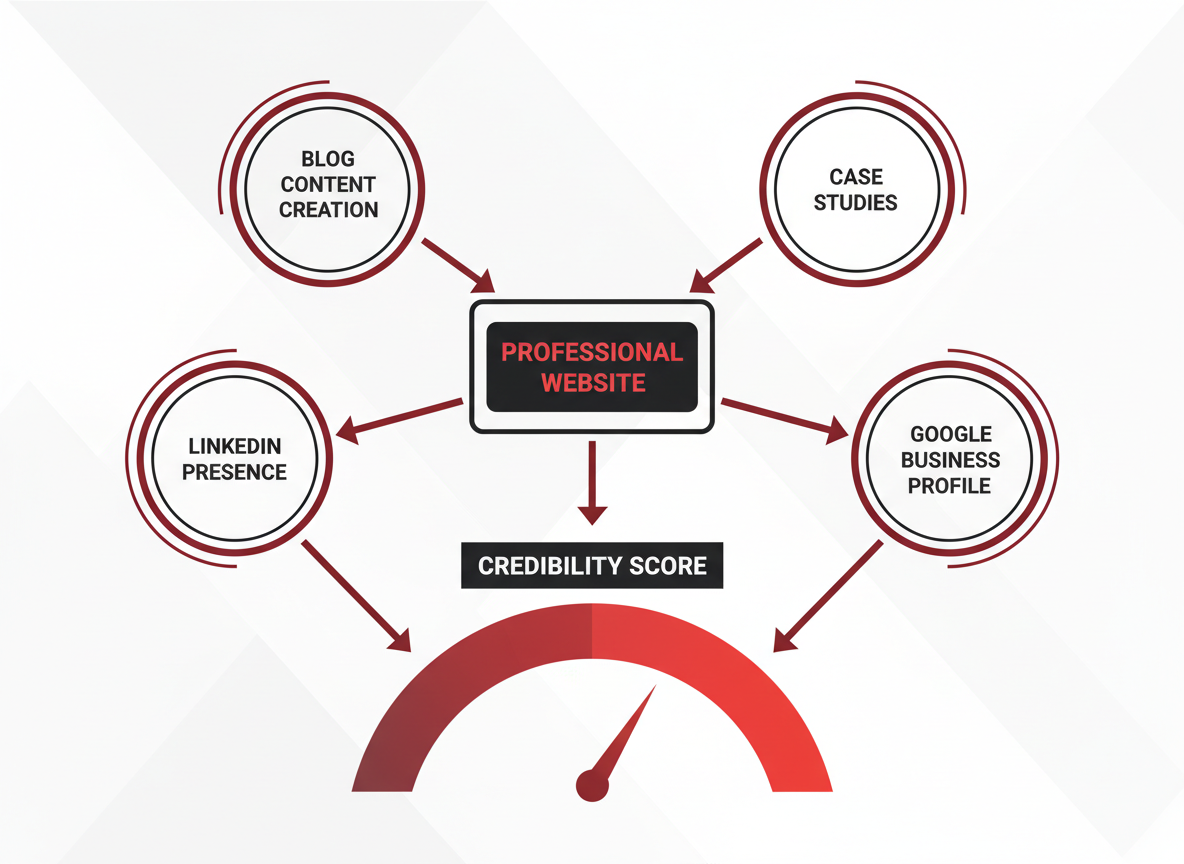
Start with a high-converting website that actually sells your services. You don't need something fancy, but you absolutely need case studies that show real results, client testimonials, and clear calls-to-action. Think of your website as a 24/7 salesperson that needs to close deals while you're not looking.
Next, leverage automation to build topical authority fast. Publishing one blog post a month won't cut it in 2026. You need consistent, SEO-optimized content that positions you as the expert in your specific niche. An SEO automation platform can help you produce quality content on autopilot, freeing you up to focus on client work and business development.
Don't overlook LinkedIn and your Google Business Profile either. Your LinkedIn profile should showcase your expertise, share insights regularly, and make it dead simple for prospects to understand what you do and why you're worth hiring. Meanwhile, a properly optimized Google Business Profile helps local prospects find you when they're actively searching for SEO help.
The goal here is simple: when prospects research you, they should find proof that you know what you're doing. That credibility turns cold outreach into warm conversations and makes inbound leads much more likely to convert.
Strategy #1: Offer High-Value Free SEO Audits
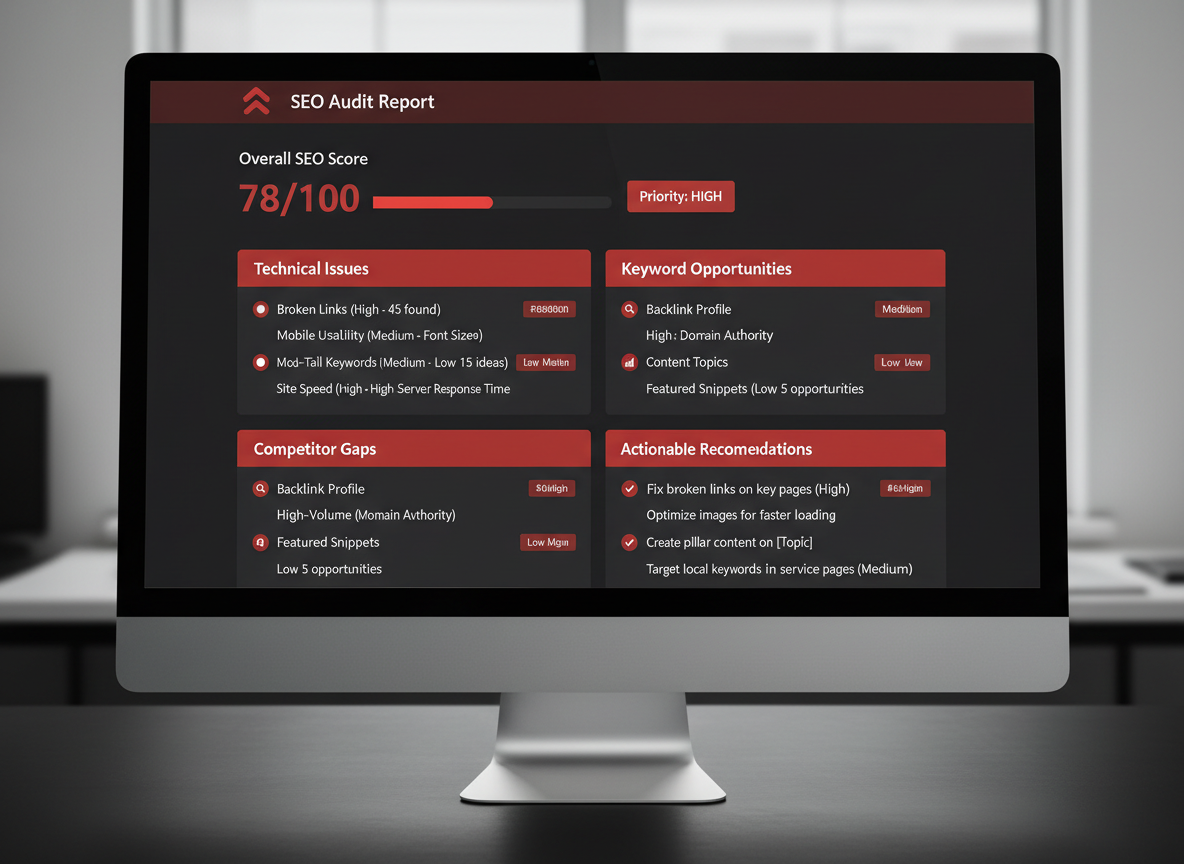
Free audits work because they expose problems your prospects didn't know existed. But here's the thing—most agencies waste hours manually creating custom audits for tire-kickers who'll never convert.
Start by building a comprehensive audit template that covers the essentials: technical issues, on-page optimization gaps, backlink profile health, and content opportunities. Your template should highlight 3-5 critical problems that need immediate attention. Think broken pages, slow load times, or missing title tags—issues that make business owners sit up and say "we need to fix this now."
Tools like Screaming Frog, Ahrefs, or SEMrush can automate the heavy lifting. Generate reports on autopilot, then spend 10 minutes personalizing the insights. That's how you scale without burning out.
Position your audit as a diagnostic tool, not a thinly-veiled sales pitch. Lead with value. Show them what's broken and why it matters to their bottom line. Save the "here's how we can help" for the follow-up.
Your nurture sequence matters more than the audit itself. Send a follow-up email within 48 hours discussing one finding in detail. Three days later, share a case study relevant to their industry. You can find examples of effective content strategies on the Vulcaro blog.
Realistic conversion rates? Expect 15-25% of audit recipients to book a discovery call, with 30-40% of those converting to paying clients. That's a solid pipeline if you're generating enough audits.
Strategy #2: Cold Email Outreach That Converts
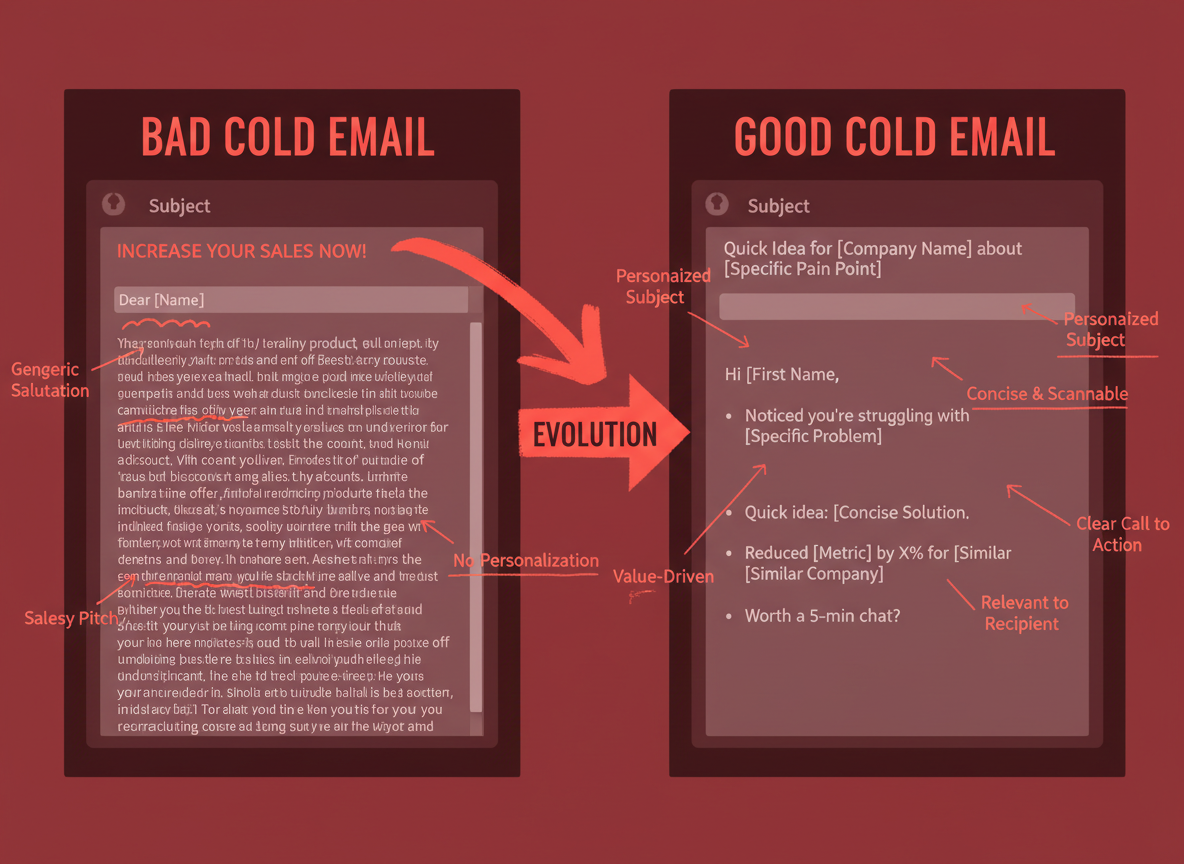
Cold email still works—but only if you're not lazy about it.
The difference between a 5% and 40% open rate comes down to personalization. Generic "I noticed your website could use some SEO help" emails get deleted instantly. Instead, reference something specific: a recent blog post they published, a competitor ranking above them for a valuable keyword, or a technical issue you spotted on their site.
Here's what converts:
Subject lines should spark curiosity without clickbait. "Quick question about [their company]" or "Noticed this about your [specific page]" work better than "SEO services for your business."
Your hook needs to demonstrate you've done homework. Mention their actual content, their ranking position for a specific term, or a missed opportunity you identified.
The value proposition should be concrete. Don't promise vague "better rankings." Explain exactly what you'll do and the expected outcome.
Your CTA should be low-friction. Ask for a 15-minute call, not a commitment.
Tools like Instantly, Lemlist, or Apollo automate prospecting and follow-ups without making your emails feel robotic. Verify email addresses before sending—bounces kill your sender reputation fast.
Test everything. Some prospects respond better to problem-focused messaging ("Your site's loading slowly on mobile"), while others prefer opportunity-focused angles ("You're one optimization away from ranking #1 for [keyword]").
Stay compliant with CAN-SPAM and GDPR. Include your physical address, an unsubscribe link, and never buy email lists. If you're managing multiple client campaigns, Vulcaro's integrations can help you automate reporting while you focus on outreach.
Strategy #3: Content Marketing and Thought Leadership
Publishing consistent, high-quality content positions you as the expert prospects want to hire. But here's the thing—you don't need to write everything from scratch anymore.
Start by targeting keywords your ideal clients actually search for. Think "how to improve local SEO for law firms" or "best SEO strategies for e-commerce stores." These aren't just traffic generators—they're client magnets that showcase your expertise right when someone needs it.
Modern SEO automation platforms let you maintain a steady publishing schedule without spending hours writing each piece. You can focus on strategy while automation handles consistency. The goal? Build authority while you're working on billable client projects.
Embed lead magnets directly into your content. When you publish an article about technical SEO audits, offer a free checklist or template. When you explain content optimization, provide a framework readers can download. These assets convert readers into leads naturally.
Don't stop at your own blog. Guest posts on marketing websites and podcast appearances multiply your reach exponentially. A single appearance on an industry podcast can generate more qualified leads than months of cold outreach.
Track everything. Set up conversion paths in your analytics to see which articles generate leads, which keywords bring in prospects, and what content topics convert best. If your article about local SEO generates five client inquiries while your technical SEO piece generates none, you've got clear direction for what to create next.
Strategy #4: LinkedIn Outreach and Social Selling
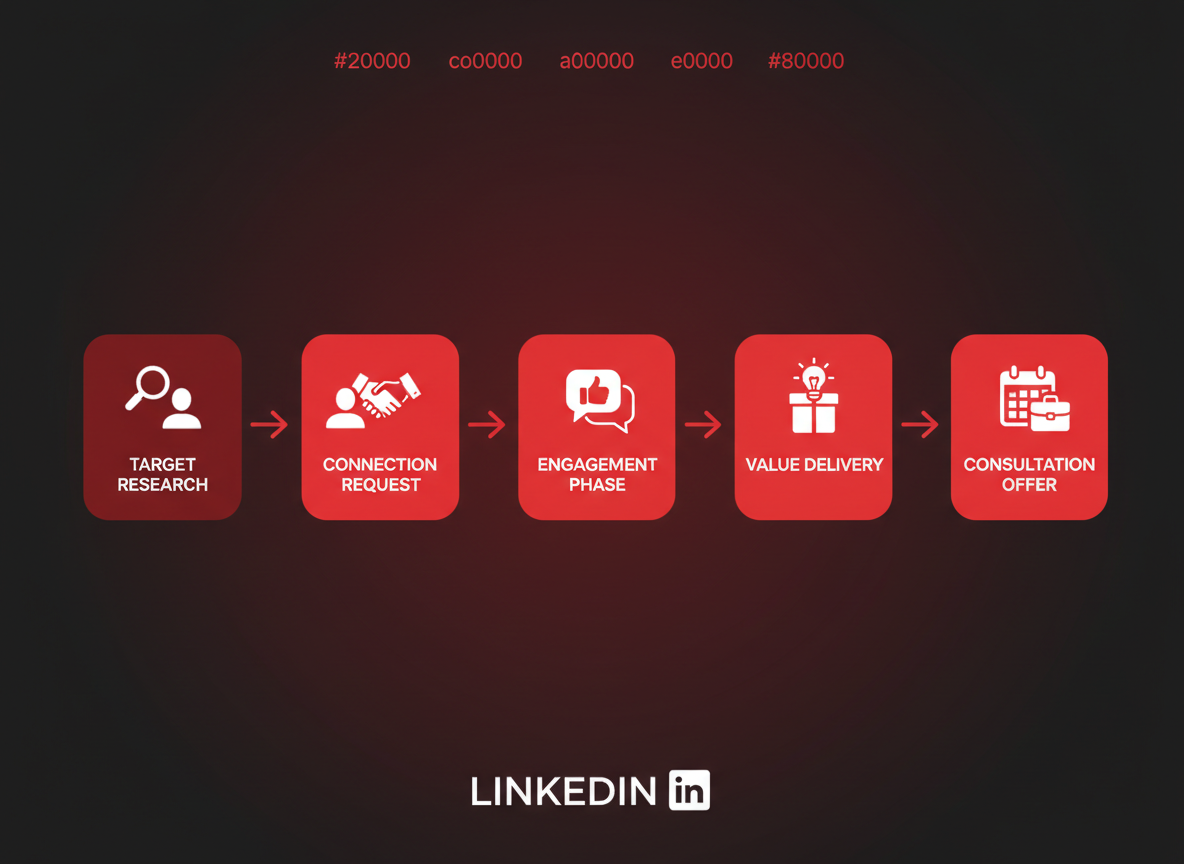
LinkedIn is where business owners hang out during work hours, which makes it your playground for finding SEO clients.
Start with LinkedIn Sales Navigator to build your prospect list. Filter by job titles like "Marketing Director," "CEO," or "Business Owner," then narrow by industry and company size. You'll find hundreds of decision-makers who actually need your services.
Here's where most people screw up: they immediately pitch. Don't do that.
Spend two weeks commenting on your prospects' posts with genuine insights. Share relevant content. Send a connection request with a simple note like: "Hey [Name], been following your content on [specific topic]. Would love to connect and keep up with what [Company] is doing." No sales pitch. Just authenticity.
Once you're connected, continue the warm-up. Share case studies. Post about client wins. Write short posts about common SEO mistakes you see in their industry. The goal? Make them think of you when they need help.
When you do reach out, reference something specific: "Noticed your recent expansion into Boston. Working with three other companies in [industry] right now and getting them ranked locally. Curious if you're happy with your current visibility?"
For efficiency at scale, tools like Phantombuster or Dux-Soup can automate connection requests and follow-ups (stay within LinkedIn's daily limits though). If you're managing multiple outreach campaigns, check out Vulcaro's automation options to keep everything running smoothly while you focus on closing deals.
Strategy #5: Paid Advertising for Immediate Lead Flow
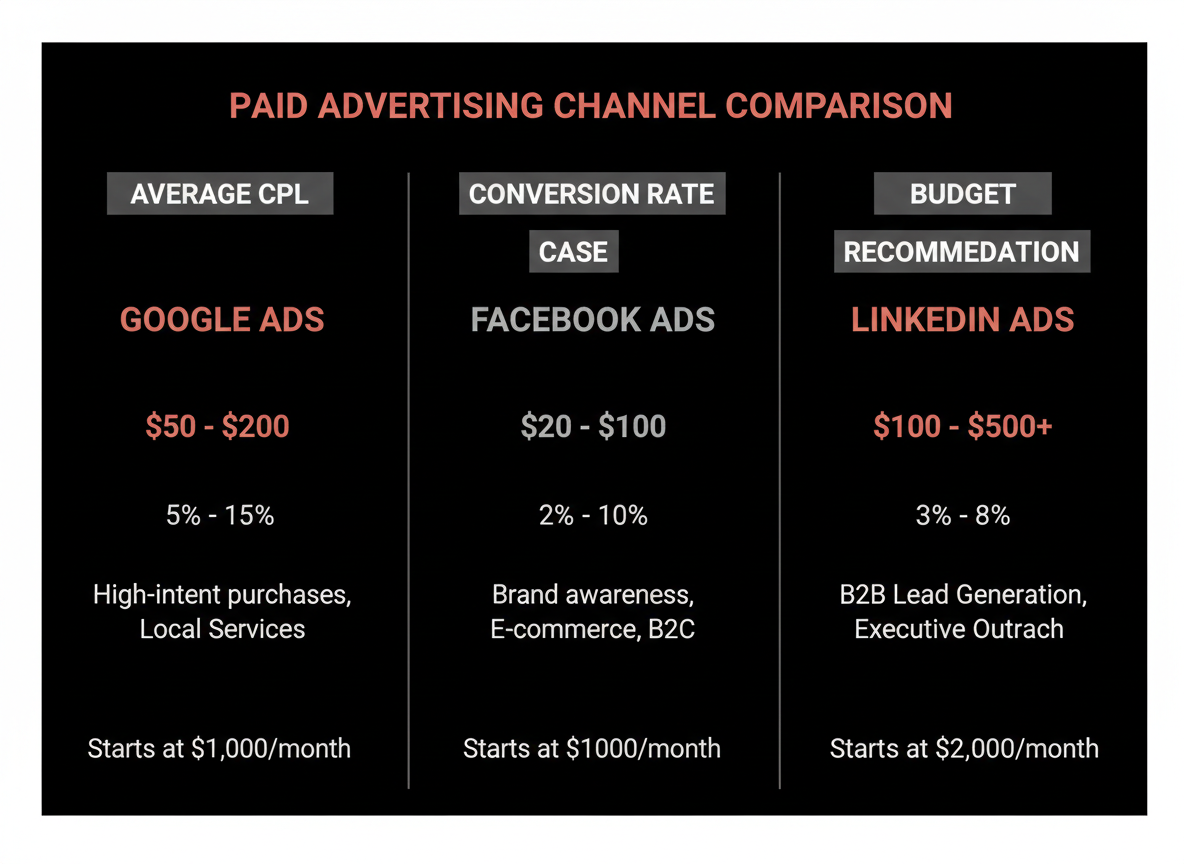
Unlike content marketing or networking, paid ads can start bringing clients to your door within hours. Here's how to make them work without draining your budget.
Start with Google Ads targeting high-intent searches like "SEO services near me," "hire SEO consultant," or "local SEO agency." These searchers already know they need help—you're just showing up at the right moment. Set a modest daily budget of $30-50 while testing different ad copy and landing pages.
Facebook and LinkedIn Ads let you zero in on decision-makers by job title, industry, and company size. Target "marketing manager," "business owner," or "CEO" at companies with 10-200 employees. LinkedIn typically costs more per click but delivers more qualified leads.
Your landing page makes or breaks the campaign. Skip the fancy design and focus on clarity: what you do, who you help, and what happens next. Include a simple form (name, email, website URL) and a compelling offer like a free SEO audit or strategy call. Vulcaro's features can help you automate the follow-up once leads come in, so nothing falls through the cracks.
Test small first—$300-500 per month across platforms. Track your cost per lead religiously. Most SEO agencies see $50-150 per qualified lead, depending on location and targeting. Once you find winning combinations, scale up gradually while maintaining profitability. Expect to spend about 10-20% of your projected client lifetime value on acquisition.
Strategy #6: Strategic Partnerships and Referral Programs
You don't need to find every SEO client yourself. Smart partnerships can turn other businesses into your best salespeople.
Start by identifying complementary service providers who work with your ideal clients but don't compete with you. Web designers, PPC agencies, business consultants, and marketing firms constantly encounter businesses needing SEO. They're already trusted by your potential clients, which gives their recommendations serious weight.
The key is creating win-win arrangements. Don't just ask for favors—structure formal referral agreements with clear commission rates (typically 10-20% of first-year revenue or a flat fee per qualified lead). Put everything in writing so there's no confusion about payment terms or what counts as a qualified referral.
Your existing clients are another goldmine. Build a formal referral program that rewards them for sending business your way. Offer discounts on their services, cash bonuses, or free add-ons. Make it simple to refer you by giving them shareable resources and explaining exactly who you help.
Get out from behind your screen. Join your local chamber of commerce, attend industry association meetings, and show up at business networking events. These face-to-face connections build trust faster than any cold email.
Track everything with a CRM system. You'll want to monitor which partners deliver quality referrals and which relationships need more attention. If you're using Vulcaro, leverage the integrations to connect your referral tracking with your client management workflow. This data helps you double down on what's working and adjust what isn't.
Strategy #7: Conversion Rate Optimization for Your Website
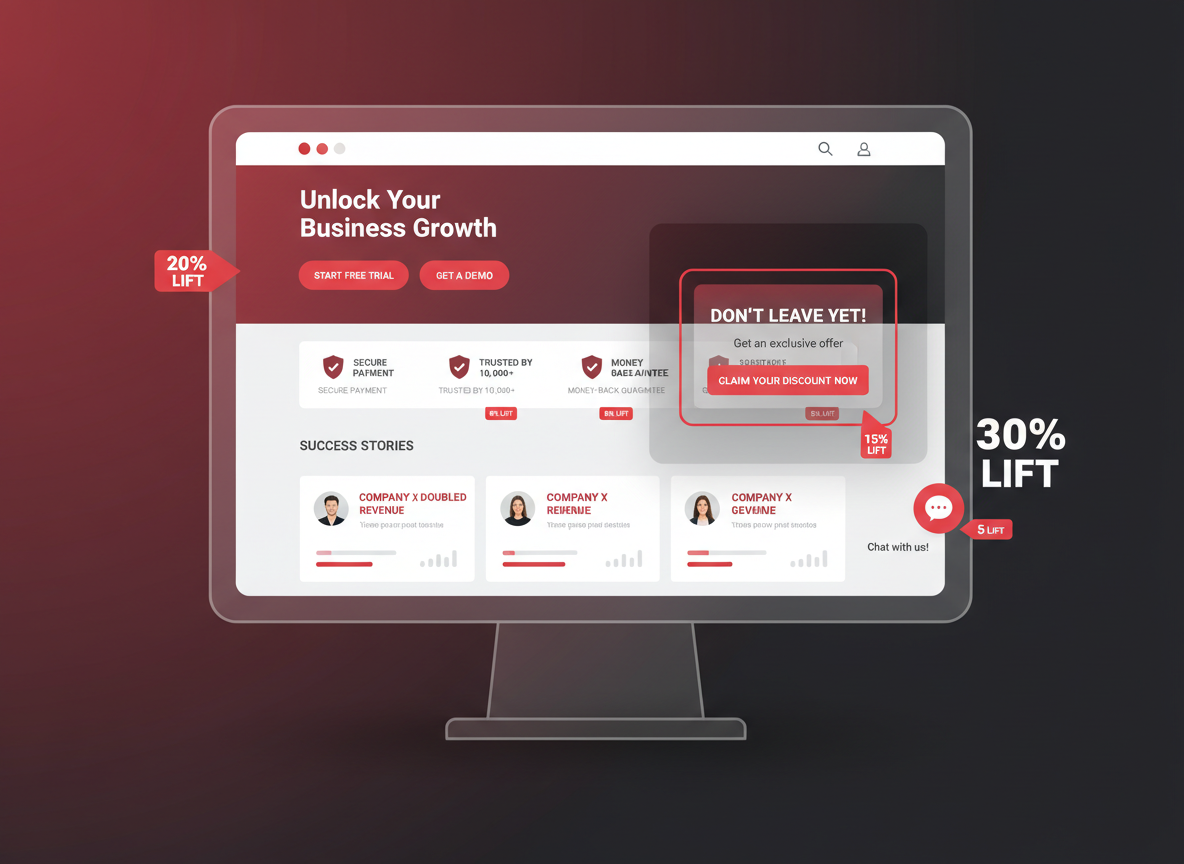
You can attract thousands of visitors, but if they're not converting into leads, you're just burning money. Your website needs to work as hard as you do to capture prospects on autopilot.
Start with strategic CTA placement. Every page should guide visitors toward one clear action—whether that's booking a consultation, downloading your SEO audit template, or scheduling a strategy call. Don't bury your contact information three clicks deep.
Exit-intent popups work surprisingly well when done right. Offer something valuable as visitors are about to leave: a free website analysis, an SEO checklist, or a case study showing real results. Chatbots can qualify leads 24/7, answering common questions and capturing contact details while you sleep.
Your service pages deserve special attention. Create dedicated pages for each niche you serve—"SEO for dental practices," "e-commerce SEO services," or "local SEO for restaurants." These targeted pages rank better and convert higher because they speak directly to specific pain points.
A/B testing isn't optional anymore. Test your headlines, offers, form lengths, and button colors. Sometimes changing "Get Started" to "Claim Your Free Audit" can double your conversion rate.
Finally, install retargeting pixels on every page. Platforms like Vulcaro can help automate your follow-up sequences, but retargeting brings back the 97% of visitors who didn't convert on their first visit. Those second chances often turn into your best clients.
Qualifying Leads and Running Effective Discovery Calls
You can't help everyone, and trying to will drain your resources fast. That's why pre-qualifying prospects before they book your calendar matters. Use a simple intake form that asks about their current traffic, past SEO efforts, monthly marketing budget, and what success looks like to them. This filters out tire-kickers and puts serious prospects on your calendar.
When you're on a discovery call, resist the urge to immediately pitch your services. Instead, ask questions that reveal their actual situation. "What prompted you to look for SEO help right now?" uncovers urgency. "Walk me through what you've already tried" shows you their experience level. "What happens if you don't solve this problem in the next six months?" reveals true pain points.
When presenting your approach, translate everything into business outcomes. Don't say "we'll build quality backlinks." Say "we'll help more potential customers find you when they're ready to buy." Connect your work to revenue, not rankings.
You'll hear predictable objections. When someone says SEO's too expensive, frame it against their customer lifetime value. If they claim it didn't work before, dig into what actually happened—most failed attempts involved poor execution, not flawed strategy. For the "we need results now" crowd, be honest about timelines while highlighting quick wins you can deliver.
Sometimes you'll encounter clients who want guarantees, refuse to share access, or have unrealistic expectations. Walk away. A bad client damages your reputation more than no client at all. If you need guidance on managing client relationships effectively, check out our help resources for best practices.
Creating Irresistible Proposals and Closing Deals

Your proposal can make or break a potential client relationship. Start with a compelling executive summary that speaks directly to their business goals—not just SEO jargon. Follow this with your audit findings (what's broken and why it matters), a clear strategy overview, specific deliverables with timelines, and transparent pricing.
Smart SEO professionals present three service tiers. Your starter package might include basic technical fixes and monthly reporting. Growth packages add content strategy and link building. Enterprise offerings provide white-glove service with dedicated support and advanced analytics. This tiered approach gives clients options while naturally guiding them toward your middle offering.
Weave social proof throughout your proposal. Don't just list past clients—show specific wins. "Increased organic traffic 247% in six months for an e-commerce client" beats "SEO expert" every time. Include brief testimonials that mention actual results, not generic praise.
For pricing strategies, monthly retainers work best for most SEO relationships. They create predictable revenue for you and ongoing value for clients. Project-based pricing fits one-time audits or migrations, while hourly billing rarely benefits anyone in SEO (too unpredictable). Check out Vulcaro's pricing to see transparent tiering in action.
After sending your proposal, follow up within two business days. Reference something specific from your conversation. If you don't hear back, touch base again after a week with added value—maybe an article relevant to their industry or a quick tip you spotted on their site.
Automating Your Client Acquisition Process
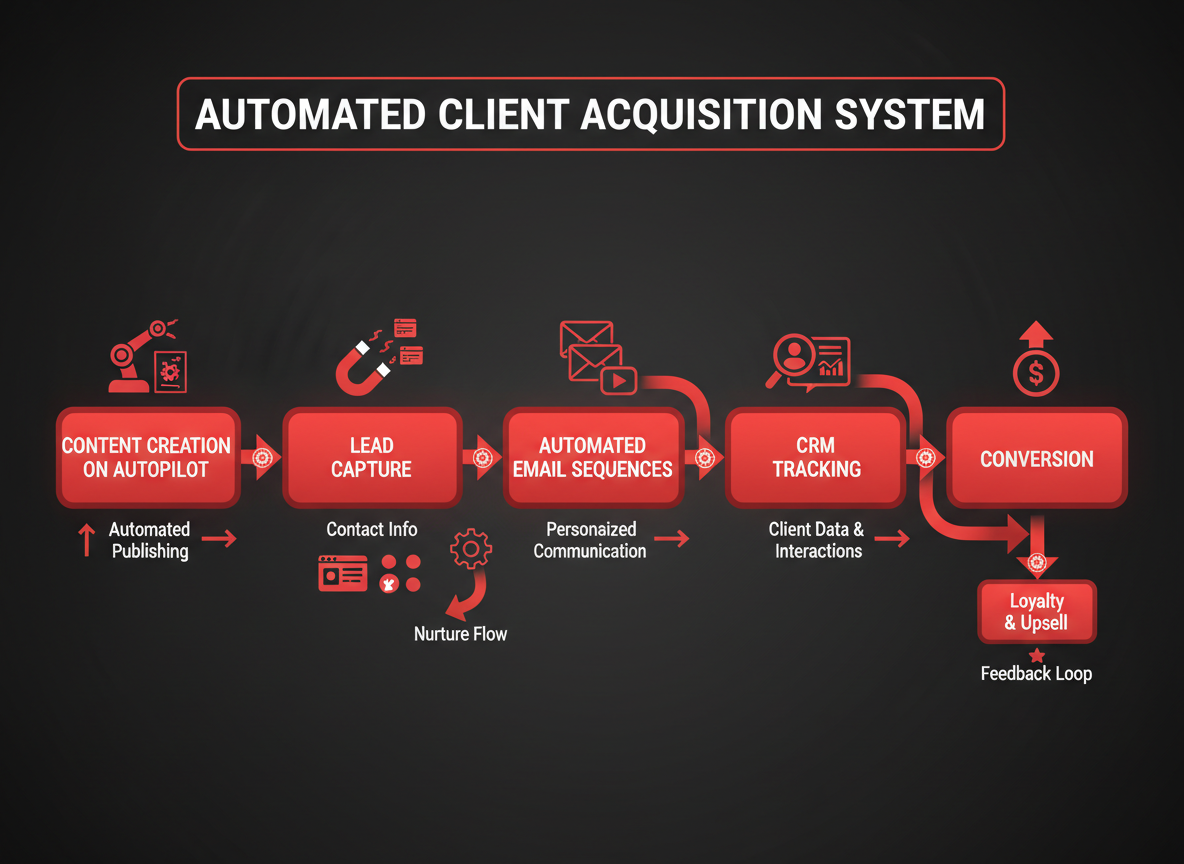
You can't scale your agency if you're manually chasing every lead. The most successful SEO consultants build systems that generate and nurture clients while they're working on actual deliverables.
Start with a solid CRM like HubSpot or Pipedrive to track every interaction with prospects. Connect it to email automation tools that send perfectly timed messages based on prospect behavior. When someone downloads your SEO audit template, they should automatically receive a sequence that educates them about common ranking issues and positions you as the solution.
Content creation eats up the most time, but AI-powered platforms now handle this efficiently. You can maintain consistent thought leadership through automated blog posts, social media updates, and email newsletters that keep you visible without burning hours each week. An SEO Automation Platform: Complete Guide to Choosing the Right Solution in 2026 walks through exactly what to look for in these tools.
Your follow-up sequences need different tracks for different awareness stages. Cold prospects get educational content. Warm leads receive case studies and testimonials. Hot prospects see scheduling links for strategy calls.
Track what actually matters: lead volume, conversion rates from each channel, cost per acquisition, and client lifetime value. If you're spending $200 to acquire clients worth $5,000 annually, that's a winning system. If those numbers look different, you'll know exactly where to adjust.
Your First 90 Days: Action Plan for Landing SEO Clients
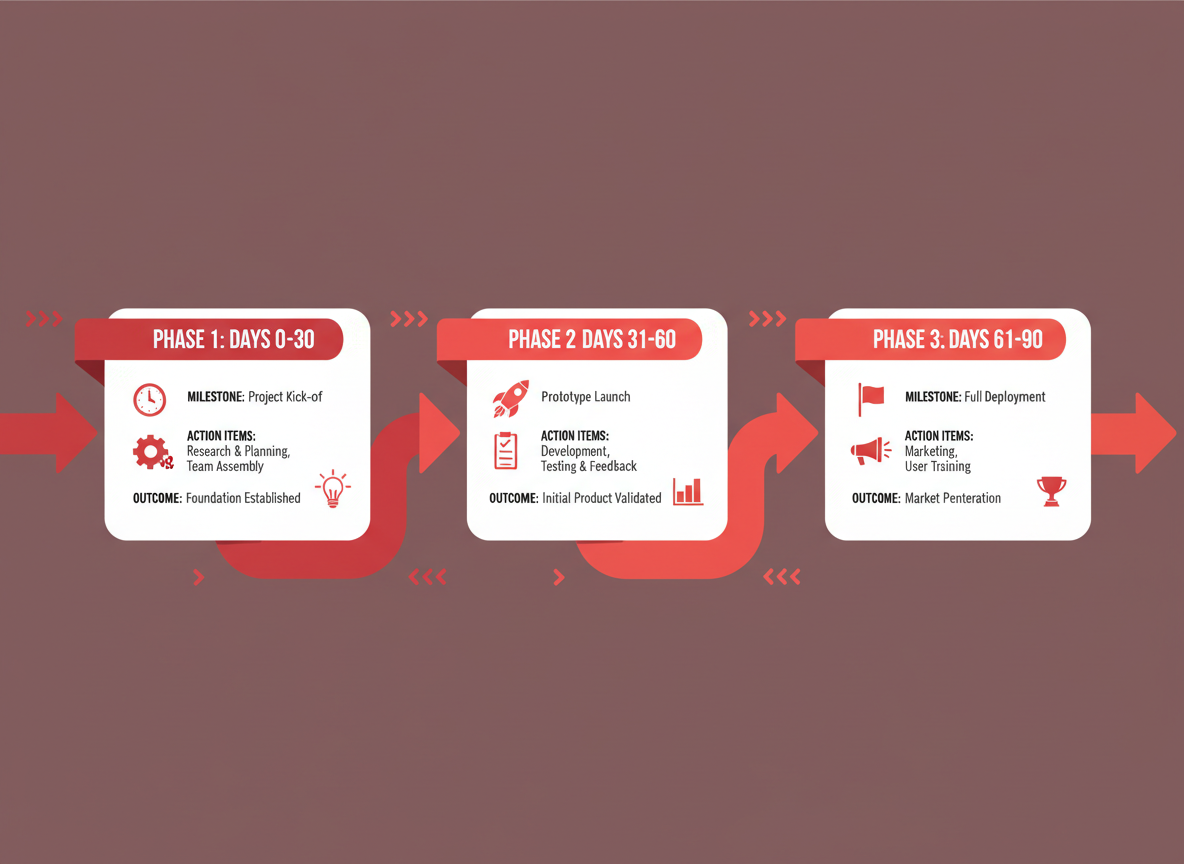
Days 1-30: Foundation Phase
Start by getting your digital house in order. Build a simple website that showcases your expertise—nothing fancy, just clear messaging about who you help and the results you deliver. Define your ideal client with laser precision: industry, company size, current SEO pain points, and budget range. Create three core assets: a compelling service page, one detailed case study (even if it's your own site), and a lead magnet that solves a specific problem.
Days 31-60: Outreach Phase
Now you're ready to hunt. Pick three acquisition strategies from this guide and run them simultaneously. Maybe that's cold email, LinkedIn outreach, and guest posting. Send 20-25 personalized outreach messages daily. Track everything—response rates, conversations booked, proposals sent. Check out the comprehensive guides in our docs for workflow optimization strategies that'll help you stay organized.
Days 61-90: Optimization Phase
You've got data now. Double down on whatever's generating conversations. If cold email's working, refine your templates and increase volume. If networking's paying off, attend more events. This is when most people close their first 1-2 clients.
Realistic Expectations
Expect 30-50 qualified leads in your first quarter, with a 5-10% close rate. That's 2-5 clients if you're working this consistently.
Beyond 90 Days
Once you've got 3-5 clients and proven processes, shift from manual hustle to systems. Document what works, consider automation tools, and build repeatable workflows that don't depend on your constant attention.
Common Mistakes That Kill SEO Client Acquisition Efforts
Even the best strategies fall flat when undermined by avoidable mistakes. Here's what's quietly sabotaging your client acquisition:
Mistake #1: Trying to be everything to everyone instead of niching down
You can't effectively target local dentists, e-commerce stores, and SaaS companies simultaneously. Pick one. When you specialize, your marketing becomes laser-focused, and prospects immediately see you as the expert for their specific situation.
Mistake #2: Leading with features and tactics instead of business outcomes and ROI
Nobody cares about your 47-point technical audit process. They care about getting more customers. Shift your messaging from "we'll build quality backlinks" to "we'll help you capture 30% more leads from organic search."
Mistake #3: Inconsistent effort - giving up after a few weeks without results
Content marketing, networking, and outreach compound over time. Publishing three blog posts then ghosting for two months won't cut it. Set a realistic schedule and stick with it for at least six months before evaluating results.
Mistake #4: Poor follow-up and lead nurturing leaving money on the table
Most prospects won't buy during the first conversation. Set up a simple email sequence to stay top-of-mind without being pushy. A well-timed check-in three months later often converts the "not ready" into "let's do this."
Mistake #5: Underpricing your services and attracting the wrong clients
Charging $500/month attracts bargain hunters who'll question every invoice. Premium pricing ($2,000+) attracts serious businesses that value results over discounts.
Course-correct by choosing one mistake to fix this week. You don't need perfection—you need forward momentum.
Scaling Your SEO Client Acquisition in Competitive Markets
Standing out in crowded markets means doing what established players won't. Start by dominating your local market before attempting national expansion. You'll face less competition, build stronger case studies, and refine your systems without the pressure of competing against seven-figure agencies.
Build a documented case study library that shows real results—not vague "increased traffic" claims. Record before-and-after screenshots, actual revenue numbers (with client permission), and specific timeline improvements. Prospective clients trust documented proof over polished sales pitches every time.
Automation separates scalable agencies from those stuck in perpetual hustle mode. Tools that handle repetitive tasks—like reporting, keyword tracking, and content scheduling—free you to focus on strategy and client acquisition. Vulcaro's features demonstrate how automation can run your SEO work on autopilot, letting you pursue new clients while existing campaigns generate results.
Create systems that outlive individual team members. Document your onboarding process, proposal templates, discovery call scripts, and project workflows. When everything's systematized, bringing on new team members becomes straightforward rather than a three-month training nightmare.
Geographic targeting works particularly well for service-based businesses. Become the SEO expert in Austin or Portland before spreading yourself thin nationally. You'll build referral networks faster, speak at local events easier, and establish authority that actually means something to your ideal clients.
Frequently Asked Questions
How long does it take to get your first SEO client?
Most consultants land their first client within 2-6 weeks if they're actively prospecting. Your timeline depends on your network, outreach volume, and positioning. If you're starting from scratch with no connections, expect closer to the 6-week mark. But if you're tapping into existing relationships and following up consistently, you could close your first deal within days.
What's the average cost to acquire an SEO client?
Client acquisition costs vary wildly. Cold outreach through LinkedIn or email costs essentially nothing except your time. Paid ads can run $200-$1,000+ per client depending on your targeting and conversion rates. Referral programs typically cost 10-20% of the first payment. The smartest approach? Start with low-cost channels first, then scale what works.
Do I need case studies to get SEO clients?
Case studies help, but they're not mandatory. If you don't have them yet, lean on your expertise, process, and unique approach. Share content that demonstrates your knowledge. Offer a detailed audit that shows prospects exactly what you'd fix. Many clients care more about whether you understand their specific situation than your past work with completely different businesses.
Should I offer free SEO work to build my portfolio?
Skip the free work trap. Instead, offer deeply discounted audits or micro-projects that take 5-10 hours max. You'll still get testimonials and results to showcase, but you're establishing that your expertise has value. Free work attracts tire-kickers, not serious clients.
What's the best pricing model for SEO services?
Monthly retainers provide predictable income and better client results since SEO takes time. Most solo consultants charge $1,500-$5,000 per month depending on scope. Project-based pricing works for specific deliverables like technical audits or site migrations. Avoid pure performance-based pricing—too many variables you can't control.
How many clients should I aim for as a solo SEO consultant?
Quality beats quantity. Most solo consultants handle 5-10 clients comfortably. Beyond that, you'll need systems and possibly team members. Start with 3-5 clients, refine your processes, then scale thoughtfully.
Can I get SEO clients without a website?
Yes, though it's harder. Your LinkedIn profile becomes your storefront. Make it compelling, share valuable content regularly, and use it to drive conversations. That said, a simple one-page site builds credibility fast.
What tools do I need to automate client acquisition?
A good CRM, email automation platform, and scheduling tool cover the basics. Vulcaro helps automate your entire SEO workflow, freeing up time for client acquisition activities. Check out our help resources to see how automation can streamline your operations.